





I think we’ve all been in the situation where the symptoms are obvious, but the labs don’t show much.
This pediatric case was one of those.
I remember feeling the same frustration early in my practice.
You know something isn’t right, but every test result says “normal”.
This case involved an 11-year-old girl whose hair was constantly shedding.
It’s not every day we see a kid with hair loss. And in this case, it wasn’t just a few extra strands in the brush.
Her parents were noticing real thinning, breakage, and almost no regrowth.
Her pediatrician and dermatologist suspected Short Anagen Syndrome, meaning her hair simply wasn’t staying in the growth phase very long.
The only option they were offered was Rogaine.
For an 11-year-old.
Her parents weren’t comfortable going that route, so they started looking for another explanation.
What made the case frustrating is that all of her standard bloodwork looked completely normal.
CBC: normal
Thyroid panel: normal
Iron panel: normal
If we had stopped there, it would have been easy to assume nothing was really wrong.
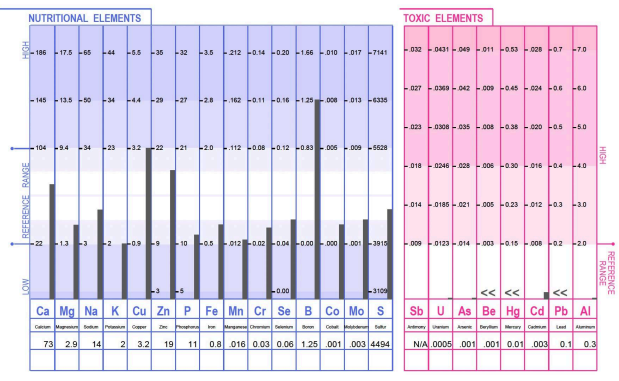
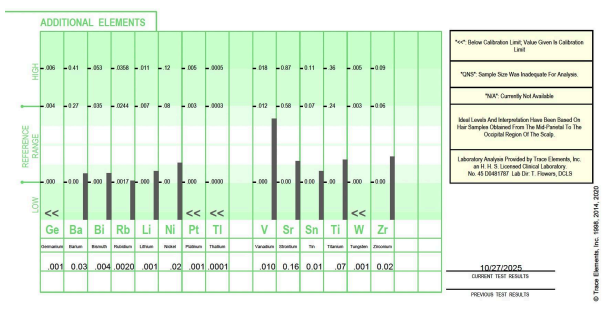
But when we ran an HTMA, several patterns stood out immediately:
- Elevated copper
- Zinc running low relative to copper
- Very low potassium
- Small but notable heavy metals (aluminum, cadmium, lead)
Individually, you could look at each of these and miss the bigger picture.
But together they told a very clear story.
Copper plays a role in the hair growth cycle.
When copper becomes elevated, it can actually shorten the anagen phase, the stage where hair is actively growing.
At the same time, zinc normally helps keep copper balanced.
In her case, zinc appeared to be getting displaced, likely from cadmium exposure, which allowed copper to rise even further.
Then there was potassium.
Potassium on HTMA is one of the best indicators of cellular energy.
When potassium is extremely low, it often means the body is struggling to move thyroid hormone into the cell.
And thyroid hormone inside the cell is what drives tissue repair. Including hair follicles.
So when you line up the cascade, the pattern becomes much clearer:
Low zinc → copper rises
High copper → stress on the system → potassium drops
Low potassium → poor thyroid activity inside the cell
Poor thyroid activity → slower tissue repair and hair growth
Which means the problem was never really “hair.”
It was a mineral imbalance affecting metabolism, stress response, and tissue repair.
Instead of aggressive detox or complicated protocols, the plan was actually pretty simple. We focused on rebuilding the foundation:
- Restoring key minerals like zinc and magnesium
- Increasing potassium-rich foods
- Supporting protein intake
- Gently supporting detox pathway
- Stabilizing the nervous system
Nothing extreme. Just giving her body the raw materials it needed.
Within a few months, the changes started showing up.
→ Her emotional meltdowns dropped from daily to once or twice a week.
→ Her skin cleared significantly.
→ Her appetite expanded.
→ And most importantly… her hair began growing back.
Cases like this are a big reason I rely on HTMA as a foundational lab in practice.
- Hair loss.
- Mood swings.
- Low energy.
- Skin issues.
On the surface, they can look like completely separate problems. But very often they’re different expressions of the same underlying mineral pattern.
And once you understand that pattern, the symptoms stop looking random.
If you’ve ever looked at an HTMA and thought, “I know there’s something important here… I just don’t know how to connect the dots.”
That’s exactly what I teach inside my free on-demand training where I walk you through exactly how I interpret results step by step.