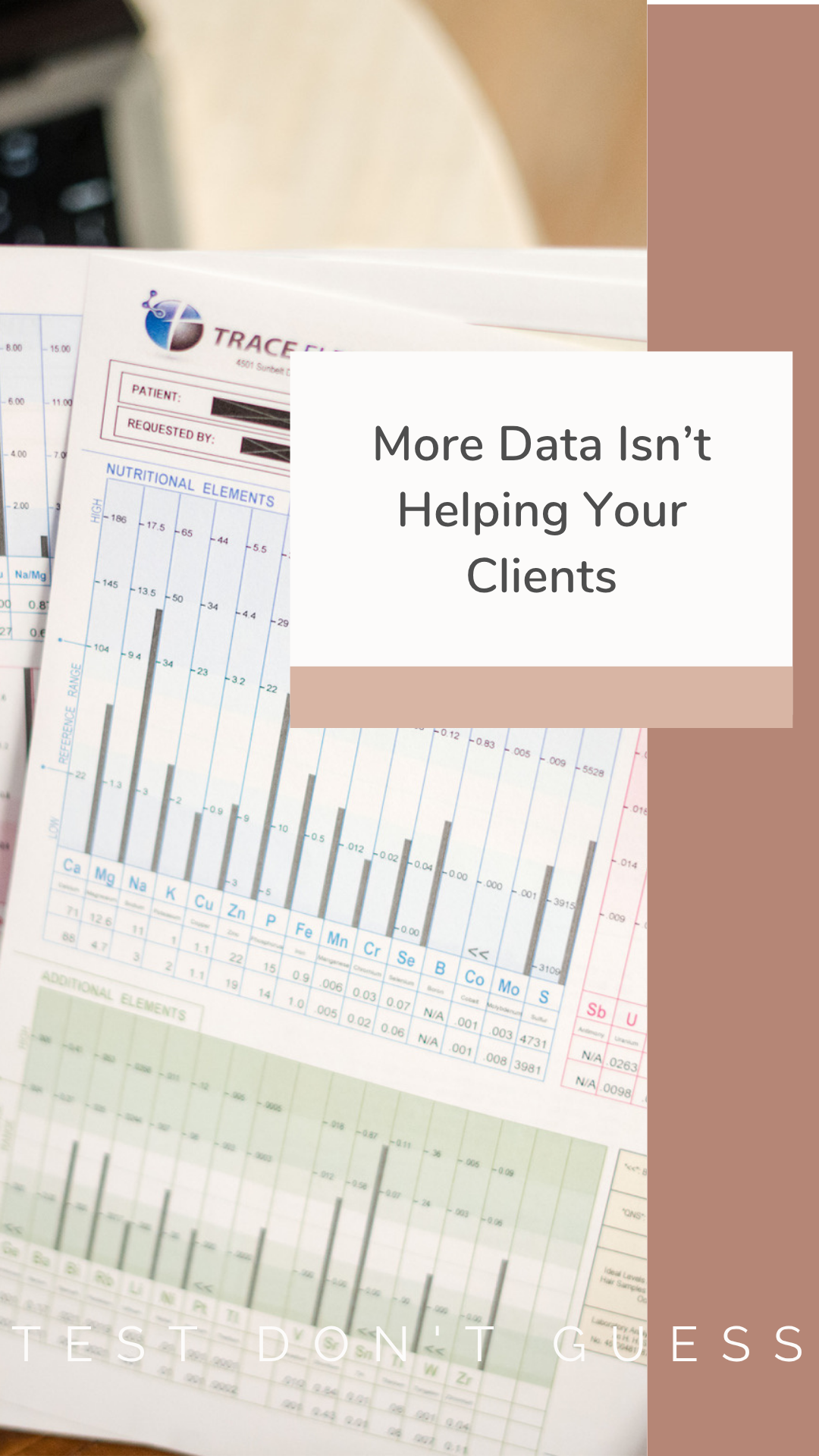






Hair Tissue Mineral Analysis (HTMA) is a useful, non-invasive test to see how your body has processed minerals and toxic metals over time. But it isn’t a diagnostic test, and it won’t tell you exactly what disease you have. HTMA works best as a guide to support mineral balance and lifestyle, not as a final answer.
When it comes to functional lab testing, Hair Tissue Mineral Analysis (HTMA) is an incredible tool for uncovering hidden mineral imbalances, heavy metal toxicity, and metabolic patterns. But like any test, it has its strengths and limitations. If you’re a holistic health practitioner using HTMA, understanding exactly what this test can and can’t tell you will set the right expectations for both you and your clients.
What HTMA Can Tell You
1. A Window into Cellular Mineral Status
Unlike blood tests, which provide a snapshot of what’s happening in circulation at the time of the test, HTMA offers a longer-term look at how minerals are being deposited in the body’s tissues. Since hair grows over time, it reflects an average of mineral status over the past two to three months rather than a single moment in time.
2. Metabolic Type: Fast, Slow, or Mixed Oxidation
HTMA can reveal how efficiently the body is burning through nutrients and producing energy. Fast oxidizers tend to burn through minerals quickly and may have signs of high stress, whereas slow oxidizers have sluggish metabolism and difficulty detoxifying. Knowing a client’s metabolic type helps guide dietary and lifestyle recommendations.
3. Stress and Adrenal Patterns
Mineral levels and ratios can indicate which stage of stress a person is in. High sodium and potassium suggest an acute stress response, while depleted levels often correlate with burnout and adrenal fatigue. This insight allows practitioners to tailor stress management recommendations accordingly.
4. Heavy Metal Exposure and Detox Capacity
HTMA helps detect the presence of heavy metals like mercury, aluminum, and lead. However, it’s important to understand that high levels don’t necessarily mean active toxicity—it could indicate that the body is efficiently eliminating these metals. Conversely, very low levels don’t mean someone is free of heavy metals; they may just be stored elsewhere in the body instead of being excreted into the hair.
5. Blood Sugar and Thyroid Function Tendencies
Key mineral ratios, such as the calcium-to-potassium ratio (Ca/K), can provide insight into thyroid activity, while the sodium-to-magnesium ratio (Na/Mg) can reflect blood sugar regulation. These insights help practitioners address underlying metabolic concerns before they develop into more serious health issues.
What HTMA Can’t Tell You
1. A Diagnosis of Any Disease
HTMA is not a diagnostic test. It does not diagnose conditions like hypothyroidism, adrenal fatigue, or diabetes. Instead, it highlights patterns and imbalances that can contribute to these issues. It should always be used in conjunction with other assessments, client history, and clinical observations.
2. Total Body Mineral Levels
HTMA does not measure the total amount of any mineral in the body. It only shows what is being excreted or stored in the hair. A low mineral level on HTMA doesn’t necessarily mean a person is deficient—it could mean the mineral is retained in organs and not being released into the hair.
3. Immediate Nutrient Needs
HTMA should not be used as a simple replacement therapy test. Just because a mineral appears low doesn’t mean supplementing with it is the right course of action. Minerals work in complex systems, and blindly supplementing can worsen imbalances.
4. Short-Term Changes in Health
Since HTMA reflects a 2-3 month period, it doesn’t show acute changes like a recent dietary shift, a single stressful event, or a recent supplement adjustment. This makes it a great tool for assessing trends over time, but it’s not ideal for tracking immediate responses to interventions.
5. Exact Heavy Metal Toxicity Levels
Just because a heavy metal appears low on an HTMA test doesn’t mean it isn’t present in the body. Some individuals, particularly slow oxidizers, have a harder time eliminating metals, meaning the body may store them in organs instead of excreting them into the hair. A low reading doesn’t necessarily mean the body is free from toxicity.
Why This Matters for Practitioners
By understanding the strengths and limitations of HTMA, practitioners can use it as a powerful foundational tool while setting realistic expectations for their clients. HTMA works best when combined with client history, symptom assessment, and other functional tests.
Rather than looking at HTMA as a stand-alone test, use it as a puzzle piece to guide recommendations for diet, supplements, and lifestyle changes. By leveraging its insights while being mindful of its limitations, practitioners can help clients achieve deeper health transformation with precision and confidence.
Interested in incorporating Hair Tissue Mineral Analysis into your practice? Don’t miss this free comprehensive guide made for beginners! Inside, I’m breaking down everything you need to know to get started with HTMA testing – from setting up an account with the lab to getting your own results for free!
FAQs:
HTMA can reveal your long-term mineral status across nutrients like magnesium, zinc, calcium, and flag potential long term accumulation of toxic metals like lead or mercury. It also shows mineral ratios that hint at metabolic type, stress load, and how well your body is coping overall.
No. HTMA can’t diagnose diseases or show your current nutrient levels. It reflects past mineral exposure and storage.
HTMA isn’t always perfectly accurate because results can be influenced by factors like hair treatments, washing frequency, environmental exposure, lab variability, and improper sample collection. It also does not diagnose disease or reflect acute blood levels, but rather shows longer-term mineral patterns and trends. This is why HTMA is most reliable when interpreted by a trained practitioner, viewed in context, and paired with symptoms, diet, and basic blood work rather than used as a standalone diagnostic tool.
If foundational health and minerals are being supported, but you still feel off (fatigue, gut issues, hormone imbalances, chronic symptoms), it’s best to use additional tools like blood work, hormone panels, or gut tests.